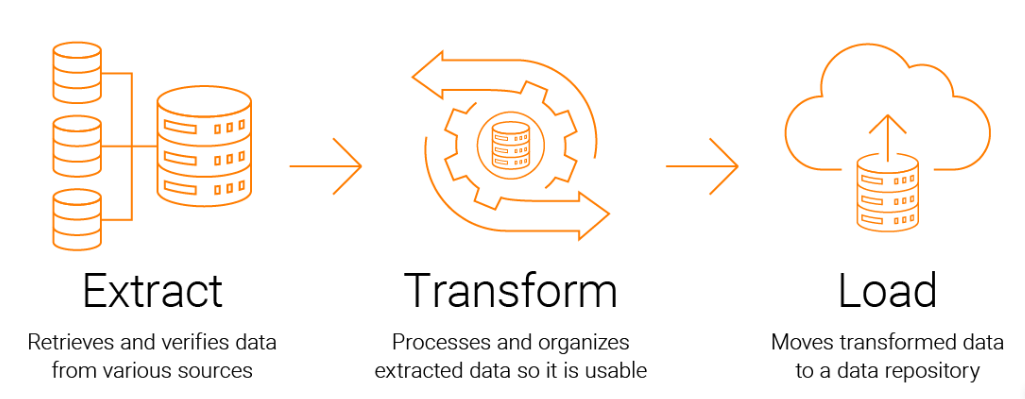
Data transformation is the process of converting data from its original format or structure into a format that is more appropriate for analysis, storage, or integration with other systems. This process is essential for ensuring that data is accurate, consistent, and usable across various platforms and applications.
Key Components of Data Transformation
- Data Cleaning: Identifying and correcting errors or inconsistencies in the data, such as removing duplicates, handling missing values, and standardizing formats.
- Data Standardization: Ensuring that data from different sources adhere to a common format, making it easier to integrate and analyze.
- Data Validation: Verifying the accuracy and integrity of data to ensure it meets predefined quality standards.
- Data Structuring: Organizing data into a suitable format or structure, such as tables or databases, to facilitate efficient analysis and retrieval.
Types of Data Transformation
- Simple Data Transformations: These include straightforward procedures like data cleansing, standardization, aggregation, and filtering, often using basic data manipulation methods.
- Complex Data Transformations: These involve advanced processes such as data integration, migration, replication, and enrichment, requiring sophisticated data manipulation techniques.
Benefits of Data Transformation
By cleaning and standardizing data, transformation enhances its accuracy and reliability.
Transformed data is more compatible across different systems, facilitating seamless integration and data sharing.
Structured and organized data supports efficient analysis and reporting, leading to better decision-making.
Proper data transformation supports the handling of large datasets, accommodating future growth.
Transforming data can help in masking sensitive information, ensuring compliance with data protection regulations.